

Start With the Light, Not the Plants
It is tempting to begin by choosing a chair or a plant, but the most useful first step is to spend a day watching the corner you have in mind. Pop in at three points — mid-morning, early afternoon and around four o'clock — and note how much natural light actually reaches the spot. A spare room that faces south will flood with sun in summer and can scorch the leaves of softer plants, while a north-facing box room offers gentle, consistent light that suits ferns and peace lilies beautifully. East-facing rooms give you soft morning sun, and west-facing rooms bring warm, low light in the late afternoon.
Once you know what you are working with, everything else falls into place. A spot within a metre or two of a window but out of the direct glare is ideal for most foliage plants, and it is also the most comfortable place to sit. If your corner is genuinely dim, don't fight it — choose plants that tolerate shade and lean on lamps for the rest.
Find a Chair You Will Actually Use
A calm corner only works if you want to sit in it. Look for a chair with a high back and arms you can rest a book on, and if there is space, a small footstool. A second-hand wingback or a compact tub chair often works better than anything new and boxy, because the curved shape wraps around you and blocks out the rest of the room.
Leave roughly 60cm on at least one side for a small table. That table will hold your mug, your book and one small plant, which is plenty. Resist the urge to fill every surface; a reading nook needs breathing room more than it needs things.
Layer the Lighting for Evening Calm
Ceiling lights are the enemy of a restful corner. Switch the main light off in the evening and build up softer layers instead:
- A floor lamp behind or beside the chair, fitted with a warm bulb around 2700K and, if possible, a dimmer. This becomes your main light after dark.
- A small table lamp at elbow height, ideally with a fabric shade, for reading without glare.
- A low, warm glow — a candle or a tiny plug-in light — to fill the gap between the two.
The aim is light at different heights, none of it pointed straight at your eyes. Warm white bulbs make green leaves look richer, whereas cool white ones flatten them and make the whole corner feel clinical.
Plants That Earn Their Place
In a spare room, reliability matters more than rarity. These are the ones I recommend again and again because they cope with ordinary indoor conditions and forgive the occasional missed watering:
- Snake plant — architectural, upright, happy in shade and content with a drink every three weeks or so.
- ZZ plant — glossy dark leaves, tolerates low light and dry air, and grows slowly enough to stay put.
- Devil's ivy — trails beautifully from a shelf, and its cuttings root in a glass of water on the windowsill.
- Spider plant — cheerful, cheap, and produces babies you can pass on to friends.
- Cast iron plant — the name says it all; it shrugs off neglect and dim corners.
If your corner gets brighter light, add a rubber plant for height, a peace lily for its white spathes, or a Boston fern if you can keep the air slightly damp. Avoid calatheas and other humidity-loving divas unless you are prepared to mist and fuss.
Arrange in Tiers to Rest the Eye
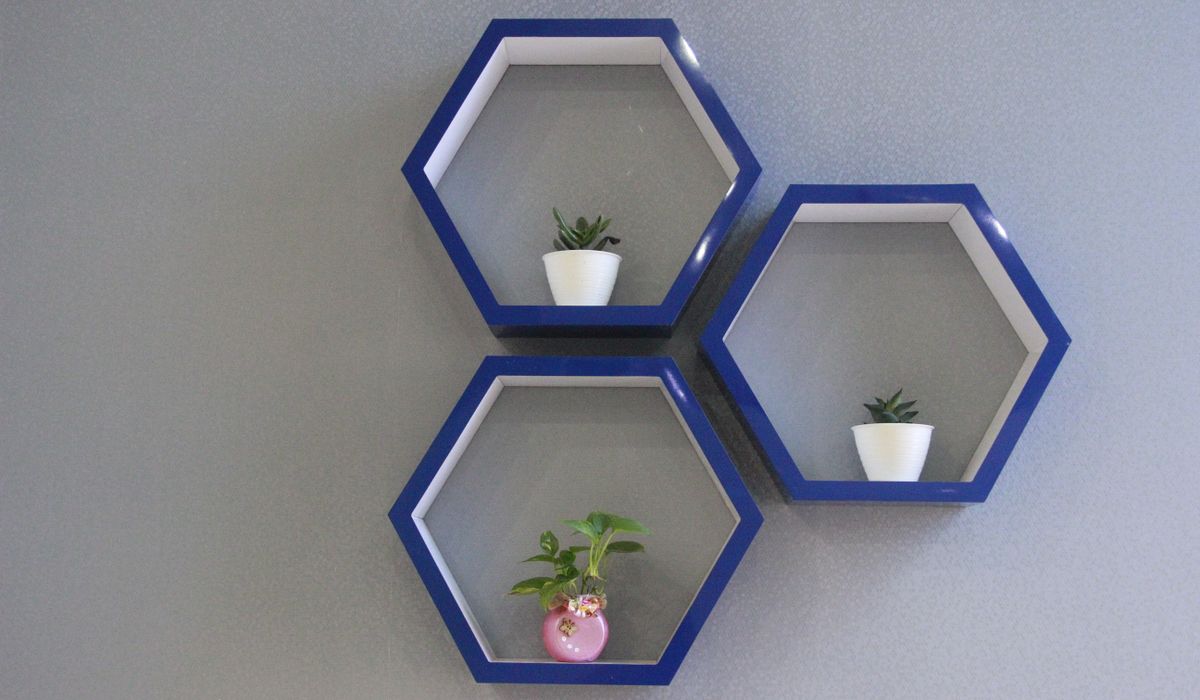
Grouping plants at different heights creates the calm, layered look that photographs so well. Place a tall specimen on the floor to one side of the chair, a mid-height plant on a wooden stool or a stack of books, and something small on the side table. A trailing plant on a high shelf draws the eye upward and softens the corner where two walls meet.
Work in odd numbers — three or five plants read more naturally than two or four — and leave space between them so each one is visible. Matching pots in a single muted colour, whether that is terracotta, off-white or soft grey, will pull the whole arrangement together far better than a jumble of different styles.
Keep the Care Simple
A calm corner should not become a chore. Set aside ten minutes each week to check your plants, and use your finger rather than a schedule: push it 2–3cm into the compost and water only if it feels dry at that depth. Most houseplants die from kindness, not neglect.
Stand pots on gravel trays or group them closely together to raise humidity around the leaves, rotate each plant a quarter turn every fortnight so it grows evenly, and wipe the leaves with a damp cloth now and then so they can breathe. Feed only from spring through to early autumn, and hold back entirely in winter when growth slows.
Do those few things and the corner will stay green, quiet and ready for you — which is, after all, the whole point.





John Doe
14 January, 2022Having no content in post should have adverse..
Chauffina Carr
10 April, 2022We use these tests all time! Killer stuff!
Jim Séchen
16 July, 2022Thanks for all the comments, everyone!