

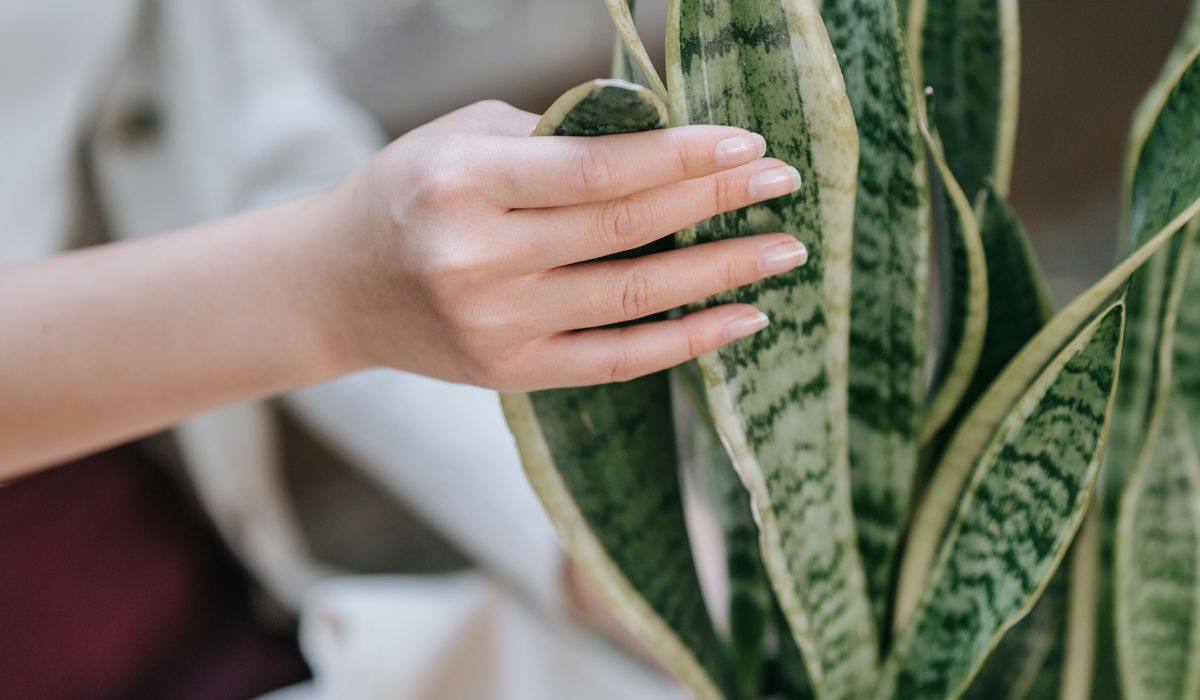
Start by Working Out How Long They Can Really Go
Before you reach for gadgets and bottles of water, spend ten honest minutes assessing your collection. The plants that actually need help are rarely the ones you worry about most. An established snake plant, ZZ plant, cactus, jade plant or rubber plant will sail through two to three weeks without a drink in spring and autumn, and longer in a cool winter room. Peace lilies, spider plants and pothos might manage a fortnight. Thirsty characters — ferns, calatheas, fittonia, fiddle-leaf figs, and anything in a small pot or a bright south-facing window — will start to crumple after three or four days.
A quick way to judge is weight. Pick up each pot the day after watering and again a few days later, and you will soon feel the difference between damp and bone dry. Use the finger test too: push a finger about 3cm into the compost. If it feels moist down there, the plant has reserves. If it is dusty and the pot feels feather-light, it is a priority.
Water everything thoroughly the day before you leave, and let each pot drain properly in the sink or on a draining board. Never put a plant back in its decorative outer pot while water is still standing in the base — a fortnight of soggy roots will kill more plants than drought ever will.
Move Them Somewhere Cooler and Shadier
This is the single most effective free trick, and most people forget it entirely. Light, heat and moving air all drive transpiration, so a plant on a sunny windowsill beside a radiator loses water astonishingly quickly. Move everything you can to a cooler, north-facing room, a hallway, or a bathroom with decent light. Group plants together so they share the humidity they release.
Turn the thermostat down a degree or two while you are away. If you normally keep the house at 20°C, dropping to 16°C slows water loss noticeably. Draw the curtains in bright rooms — not fully closed, just enough to take the edge off direct sun — and move plants out of draughts from open windows or doors.
Self-Watering Pots and Terracotta Spikes
Self-watering pots have a reservoir in the base that the plant draws from through a wick or a capillary mat. They are excellent for a two-week trip and are now widely available in a range of sizes, though they suit plants that like consistent moisture better than cacti, which prefer to dry out between waterings.
For individual plants, try these:
- Terracotta water spikes or cones: soak the spike, push it into the compost, then fill the hollow stem with water. Good for three to seven days.
- Glass water bulbs: the classic beach-holiday solution. Push the stem into damp compost and fill the globe. Best for medium pots of thirsty plants.
- Ollas: unglazed terracotta vessels buried in the compost and filled with water, which seeps out slowly through the walls. Superb for larger pots and herbs.
- Upside-down bottle: fill a plastic bottle with water and screw the cap back on after piercing two or three small holes in it. Upend it into the compost and push it down firmly. It releases water slowly over several days.
Set Up a Simple Wicking System
Capillary wicking sounds technical but takes five minutes. You need a container of water, some thick cotton string, wool yarn or a strip of capillary matting, and a pot of compost.
- Place the water container higher than the pot — on a stack of books or a windowsill, with the pot on the floor or a low tray.
- Bury one end of the wick about 5cm deep in the compost, near the centre of the pot.
- Drop the other end into the water, making sure it reaches the bottom.
- Water travels up the wick by capillary action and keeps the compost evenly damp.
Test the setup for 24 hours before you leave. If the compost around the wick is damp the next morning, it works. Remember that as the water level drops, the wick has further to lift it, so start with a generous reservoir.
The Bath or Sink Method for Short Trips
For a week or so away, line the bath or a large tray with an old towel or a length of capillary matting, sit the pots on top, and pour a shallow layer — no more than 2cm — of water into the base. The towel draws water up and keeps the pots in a humid microclimate without drowning the roots. Leave the plug out so any excess can drain away. This suits ferns, calatheas and other moisture lovers, but avoid it for succulents, cacti and anything in a pot without drainage holes.
Ask a Neighbour, and Leave Proper Instructions
Sometimes the simplest answer is a trusted neighbour or friend with a key. The trick is to make it almost impossible for them to get it wrong. Group your plants by watering need and label them clearly: a "water weekly" shelf and a "leave alone" shelf, with the second one perhaps pointedly marked do not water. Many plant deaths occur because a well-meaning visitor overwatered everything on day two.
Leave a written note covering the essentials. Ask them not to move, feed, prune or repot anything, and not to water on a schedule but to check the compost with a finger first. Set out pre-filled bottles or jugs so each plant gets roughly the right amount. If they are willing, a quick look halfway through your trip is ideal — one thorough watering at the seven-day mark will carry most houseplants comfortably to a fortnight.
Do all of this, and you can shut the front door knowing your plants are quietly getting on with it without you.


John Doe
14 January, 2022Having no content in post should have adverse..
Chauffina Carr
10 April, 2022We use these tests all time! Killer stuff!
Jim Séchen
16 July, 2022Thanks for all the comments, everyone!