

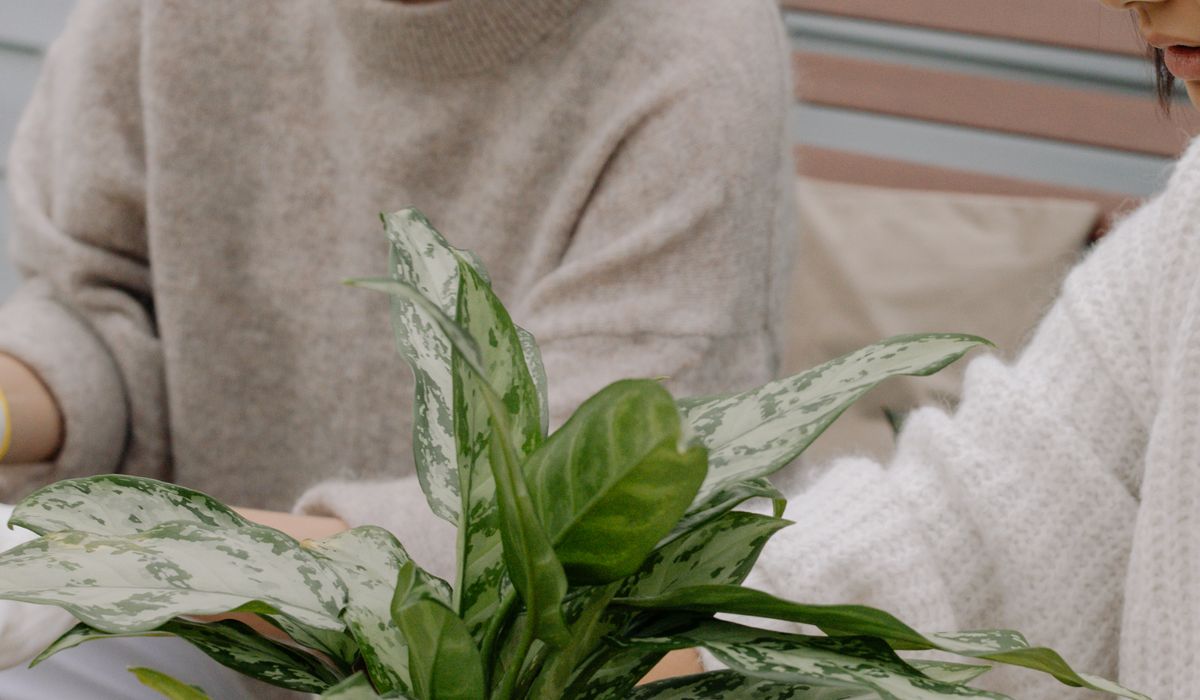
Why Water Propagation Is the Easiest Place to Start
If you have ever looked at a leggy pothos or a straggly tradescantia and wished you had more of it, water propagation is your answer. It is the lowest-effort, lowest-cost way to make new plants, and it works brilliantly for beginners because you can actually see what is happening. No guessing whether roots have formed under the compost — you simply hold the jar up to the light and watch them appear.
All you need is a clean glass jar, some water, and a healthy parent plant. A clear jam jar, an old spice jar, or a bud vase all work well. Glass is ideal because it lets light in and makes it easy to check for cloudy water or rot. Avoid anything that has held strong chemicals, and give whatever you choose a good wash with hot soapy water before you begin.
Choosing and Taking a Healthy Cutting
The success of your cutting is decided before it ever touches water. Start with a plant that is actively growing — spring and early summer are peak times, though most houseplants will root year-round on a warm, bright windowsill.
Look for a stem that is firm, green, and free of pests or browning. You want a piece roughly 10–15cm long, with at least two or three sets of leaves. Using clean, sharp scissors or secateurs matters more than people realise; a crushed stem is far more likely to rot than a clean cut.
- Make the cut just below a node — the small bump on the stem where leaves and aerial roots emerge. Roots grow from nodes, not from bare stem, so a cutting without one will simply sit there.
- Strip the lower leaves so that no foliage sits below the waterline. Submerged leaves rot quickly and turn the water sour.
- Keep two or three leaves at the top. These photosynthesise and fuel root growth, so don't remove them all.
- Rest succulents and cacti on a saucer for a day or two so the cut end callouses over. Soft-stemmed plants like basil can go straight into water.
Which Plants Root Well in Water
Not every plant obliges, but the list of willing candidates is long. Reliable performers include pothos, heartleaf philodendron, spider plants, tradescantia, begonias, coleus, mint, basil, and African violets grown from leaf cuttings. Rubber plants and fiddle-leaf figs will root too, though they take considerably longer.
Plants that resent water propagation tend to be those with thick, fleshy roots or those that prefer dry conditions — snake plants, ZZ plants, and most succulents root far more happily in gritty compost. If in doubt, try a single cutting first rather than sacrificing half your plant to an experiment.
The Waiting Game: Water, Light and Patience
Place your jar somewhere bright but out of direct midday sun. A sunny windowsill in a British summer can cook a small jar of water surprisingly fast, and warm, stagnant water is a rot risk. Indirect light and a steady room temperature of around 18–24°C is ideal.
Change the water every three to five days. This is the single most important habit to build, because fresh water carries dissolved oxygen, which roots need, and it washes away the bacteria that cause soft, mushy stems. Use room-temperature water where possible — a cold blast from the tap can shock delicate cuttings. If you are in a hard water area, filtered or bottled still water is a gentle upgrade.
Top up the jar if the level drops, and always make sure the node stays submerged. Some people add a pinch of activated charcoal to keep things fresh, which is a harmless traditional trick rather than a necessity.
Spotting Success — and Knowing When to Pot Up
Within one to three weeks you should see small white nubs forming at the node. These are root primordia, and they are the moment everything clicks. From there, fine roots lengthen and branch. If instead the stem turns brown and slippery, or the water smells unpleasant, remove the cutting, trim back to healthy tissue, and start again with fresh water and a clean jar.
Aim to pot up when roots are roughly 5–10cm long — long enough to anchor the plant, but before they become brittle and tangled. Roots grown in water are adapted to it, so they need a gentle transition:
- Use a light, free-draining compost mix, ideally with added perlite.
- Keep the compost consistently moist for the first fortnight, never soggy.
- Shade the new plant from strong sun for a week while it adjusts.
- Expect a brief sulk. A little drooping is normal and usually passes.
You can also leave many plants in water long-term — pothos and lucky bamboo will live happily in a jar for years with regular water changes and a drop of diluted liquid feed every month or so. Either way, you have made something new from something you already had, which is exactly the quiet pleasure of indoor gardening.



John Doe
14 January, 2022Having no content in post should have adverse..
Chauffina Carr
10 April, 2022We use these tests all time! Killer stuff!
Jim Séchen
16 July, 2022Thanks for all the comments, everyone!