

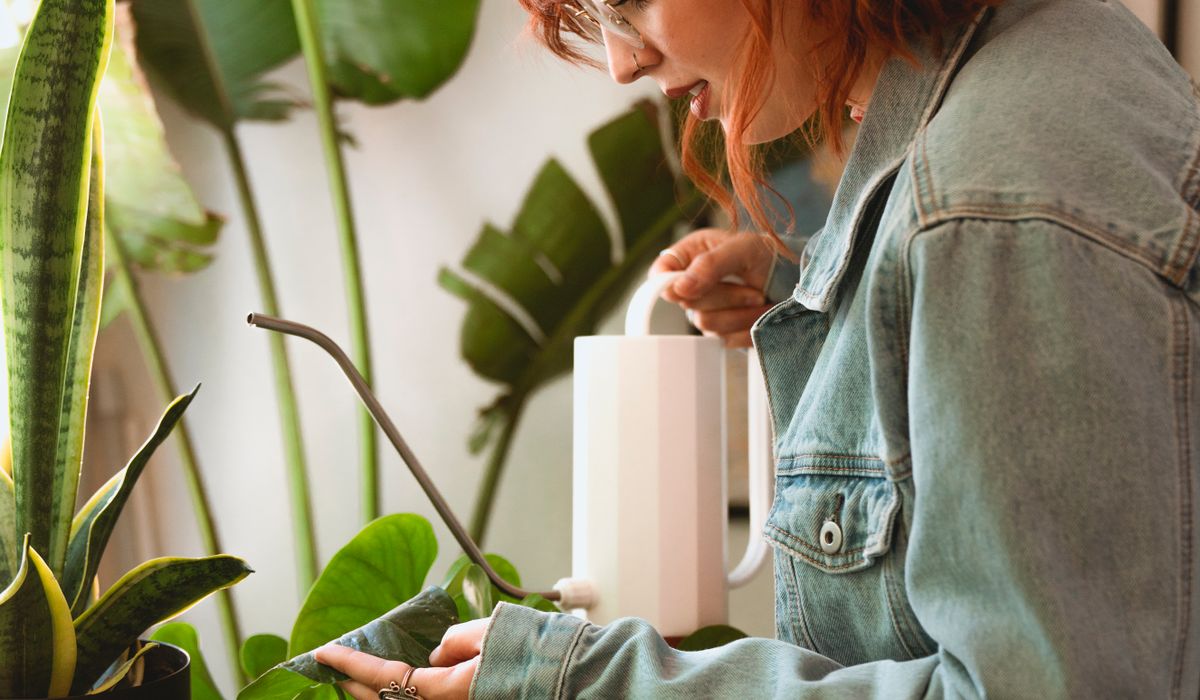
Why a North-Facing Room Isn't the Problem You Think
Plenty of British homes have at least one room that never seems to catch the sun — a north-facing bedroom, a hallway, a flat with windows onto a shaded courtyard. It's easy to assume nothing green will survive there. In truth, north light suits a whole group of plants rather well, because it's soft, even, and remarkably consistent through the year.
Think about where most houseplants come from. The majority evolved on tropical forest floors, growing in the dappled shade of taller trees, never seeing direct midday sun at all. What they need is steady, indirect light — exactly what a north-facing window provides between March and September, and a reasonable approximation of it for the rest of the year.
How to Read the Light in Your Room
Before you buy anything, work out what you're actually offering. Stand where the plant will sit at midday and hold your hand up against the window. A sharp-edged shadow means bright light; a soft, vague shadow means moderate; no shadow at all means low. Then measure the distance from the glass, because light falls away fast — a plant two metres back from a north window may receive a fraction of what one on the sill gets.
- Bright indirect — on the windowsill itself, or within about a metre of a large unobstructed north window.
- Moderate — one to two metres away, or on a sill behind net curtains.
- Low — more than two metres from the glass, in a hallway, or in a room where a garden wall or neighbouring building blocks the sky.
Dark walls, low ceilings, and deep window reveals all steal light. A single coat of pale paint can lift a gloomy corner noticeably, and it helps your plants as much as it helps the room feel bigger.
Plants That Genuinely Thrive in Low Light
The following are reliable in moderate to low light, provided you don't overwater them. Notice the emphasis on genuinely — there's a difference between a plant that survives and one that grows.
- Snake plant (Sansevieria) — architectural, upright leaves, and it copes with neglect. Every three to four weeks in summer is plenty; once every six to eight weeks in winter.
- ZZ plant (Zamioculcas zamiifolia) — waxy leaves and underground rhizomes that store water. It will sit happily in a dim corner and forgive you for forgetting it.
- Cast iron plant (Aspidistra elatior) — a Victorian favourite for good reason. Slow-growing, tolerant of draughts and shade alike.
- Heartleaf philodendron and golden pothos — trailing plants that look well on a shelf or in a hanging pot. Pinch out the tips to keep them full rather than straggly.
- Chinese evergreen (Aglaonema) — green-leaved varieties are the toughest; the pink and silver ones need a touch more light to hold their colour.
- Peace lily (Spathiphyllum) — useful because it droops visibly when thirsty, giving you a clear signal rather than a guess.
- Spider plant and parlour palm (Chamaedorea elegans) — both steady performers, though spider plants appreciate being moved closer to the window in winter.
What Won't Thank You for a Shady Spot
Save your money and your guilt. Cacti, succulents, citrus, culinary herbs, and most flowering houseplants need direct sun and will stretch, pale, and eventually collapse in a north-facing room. Fiddle-leaf figs and other large statement trees can manage bright indirect light but sulk in genuinely low light, dropping leaves from the base.
Be wary, too, of heavily variegated plants. White and cream patches contain no chlorophyll, so those leaves contribute nothing to photosynthesis. A variegated version of a plant that's borderline in your light will struggle where the plain green form would cope.
Watering: The Real Reason Shady Plants Die
Here's the thing nobody tells you: plants in low light rarely die of darkness. They die of kindness. Less light means slower growth, which means less water used — and compost that stays wet for weeks is the fastest route to root rot.
- Check the compost with your finger, three to four centimetres down, before watering. If it's damp, wait.
- Lift the pot. A dry pot feels surprisingly light; learn the difference and you'll rarely get it wrong.
- Always empty the saucer or outer pot after ten minutes. Standing water is a slow killer.
- Water far less from October to March — for many of these plants, once a month is generous.
- Feed only in spring and summer, at half the recommended strength. Slow growth needs little fuel.
Keeping Them Healthy Through the Darker Months
From October to March, the goal shifts from growing to maintaining. Move plants as close to the window as you can without exposing them to draughts or the chill of single glazing, and keep them well away from radiators, which dry the air and scorch foliage.
Dust matters more than you'd think. A film on the leaves blocks what little light there is, so wipe them with a damp cloth roughly once a month. Rotate each pot a quarter turn at the same time to keep growth balanced. Group plants together to raise humidity around them, and hold off repotting until spring, when the light returns and roots can recover.
Finally, watch for pests. Fungus gnats thrive in permanently damp compost, so they're usually a symptom of overwatering rather than a separate problem. Mealybugs and scale can creep in unnoticed on slow-growing plants — check leaf joints and the undersides of leaves when you dust, and deal with anything suspect straight away. Get those basics right and a shady room becomes one of the easiest places in the house to keep plants looking well.



John Doe
14 January, 2022Having no content in post should have adverse..
Chauffina Carr
10 April, 2022We use these tests all time! Killer stuff!
Jim Séchen
16 July, 2022Thanks for all the comments, everyone!