

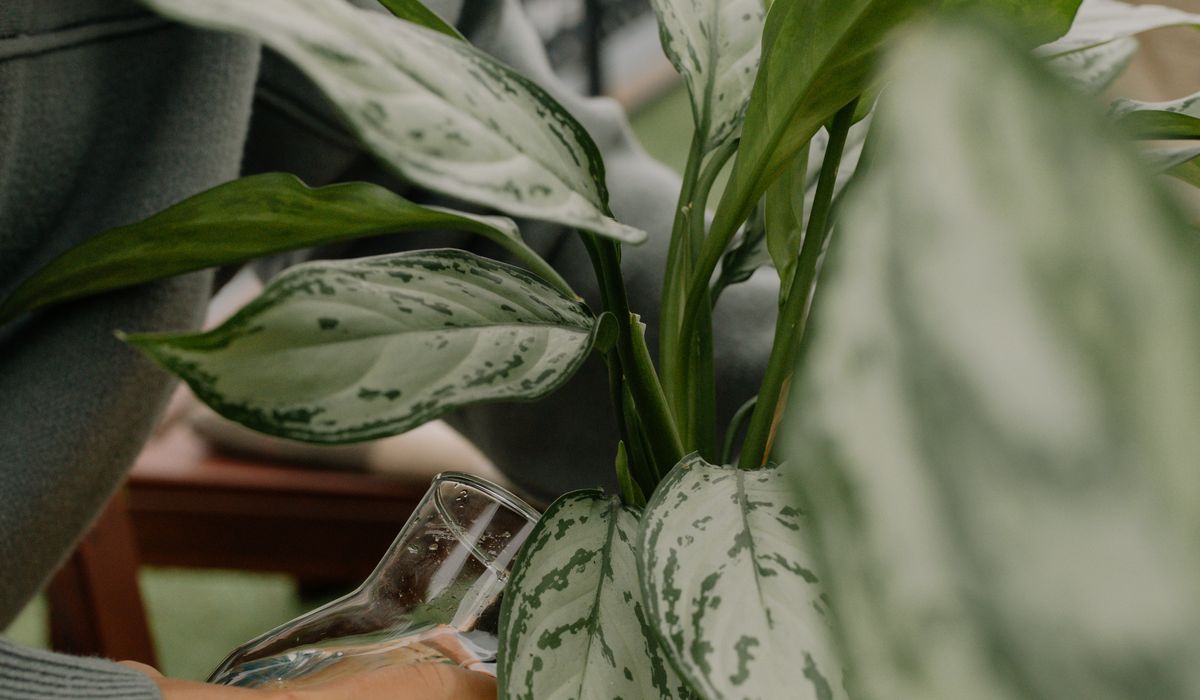
Why dust is more than a cosmetic problem
A thin film of household dust might look harmless, but leaves are a plant's solar panels. Every speck blocks light from reaching the cells that turn it into energy, and a dusty plant quietly photosynthesises less. Over weeks and months that shows up as slower growth, smaller new leaves, paler variegation and a plant that seems to sulk through winter for no obvious reason.
Dust also settles into the stomata, the tiny pores on the underside of leaves that control gas exchange and water loss. In a dry, centrally heated room a clogged leaf may struggle to breathe efficiently. And there is a practical bonus to cleaning: a grimy leaf hides the early signs of pests. A scattering of dust looks remarkably like the first specks of a spider mite infestation, so a regular wipe is really a health check with a cloth in your hand.
Identify your leaf type before you start
The most common way people damage houseplants is by using one method on every plant in the collection. Leaves fall into three rough groups, and each needs a different approach.
- Smooth and glossy: rubber plants, monstera, peace lilies, philodendrons, most ficus, pothos and spider plants. These take a damp cloth happily.
- Fuzzy, velvety or hairy: African violets, begonias, streptocarpus, some ferns and tillandsias. These need dry brushing only.
- Coated in a powdery bloom: echeveria, sedum, kalanchoe and many cacti, which carry a natural layer called farina. These should barely be touched at all.
If you are unsure which group a plant belongs to, stroke a leaf gently with the back of your finger. If it feels slick, it is safe to wipe. If it feels like velvet or leaves a fingerprint in a chalky coating, keep water away from it.
Cleaning smooth, glossy leaves
Use lukewarm water rather than cold. Water straight from the tap in January can shock a tropical plant, and it leaves chalky streaks in hard water areas. Filtered water, distilled water or rainwater gives a much better finish. For a cloth, a microfibre square, a soft sponge or an old cotton t-shirt all work well.
- Support each leaf from underneath with your free hand so you do not snap the stalk where it joins the stem.
- Wipe from the base of the leaf towards the tip, following the direction of the veins rather than scrubbing across them.
- Rinse and turn the cloth often. A cloth loaded with dust simply smears it around.
- Clean the undersides too, where dust and pests gather most.
- Work one leaf at a time on large specimens such as monstera or rubber plants.
For sticky honeydew left by pests, or a stubborn patch, add a single drop of mild washing-up liquid to a litre of water, wipe, then rinse with clean water. Do not use it every time, as it gradually strips the leaf's natural protective coating.
If you have a lot of plants, a lukewarm shower is far quicker than wiping. Cover the compost with a plastic bag or cling film, tilt the pot to keep water out, and let the leaves dry in a warm room away from direct sun.
Cleaning fuzzy, velvety and textured leaves
Water sits on the hairs of these leaves and can lead to rot, fungal spots and permanent bruising, so keep them dry. Instead, brush the dust away with a soft make-up brush, an artist's paintbrush or a clean pastry brush kept for the purpose.
- Support the leaf beneath with one hand and brush gently from base to tip.
- Work over a sink or a sheet of newspaper, as the dust comes off more easily than you would expect.
- For a heavy build-up, use a camera blower or a hairdryer on its coolest setting, held well away from the plant.
- Never apply leaf shine, oil or milk to these leaves.
If a fuzzy leaf does get splashed, blot it with a tissue and let it air-dry out of direct sunlight rather than rubbing it.
Succulents, cacti and the powdery bloom
That silvery sheen on many succulents is farina, a natural sunscreen and waterproof layer. Rubbing it off leaves shiny fingerprints that never fade and can expose the leaf to sunburn. So do not wipe these plants. Lift dust with a soft brush, use a cotton bud between cactus spines, or direct a gentle puff of air across the foliage. If water splashes onto the bloom, let it dry naturally and resist the urge to tidy it up.
Mistakes to avoid and a routine that works
- Leaf shine sprays and oils: they clog stomata, attract more dust and can scorch in sunlight.
- Milk, mayonnaise, beer or banana skins: old wives' tales that leave a sticky film which grows mould.
- Cold water, or cleaning in full sun: one shocks the roots, the other scorches wet leaves.
- Furniture polish and harsh chemicals: never worth the risk indoors.
- Hard rubbing on thin leaves: ferns and similar delicate foliage tear easily, so handle them with care.
As a workable rhythm, give plants a quick glance each week and a proper clean every two to four weeks during the growing season. Slow down to roughly monthly in winter, and step it up if a plant lives in a kitchen, near a busy road or beside an open window. Mornings are the best time, so any lingering dampness dries before the cooler evening air arrives. While you are there, check the undersides and the joints where leaves meet the stem. Catching a pest problem during a routine wipe is far easier than treating an established infestation, and your plants will reward the attention with fuller, glossier growth.



John Doe
14 January, 2022Having no content in post should have adverse..
Chauffina Carr
10 April, 2022We use these tests all time! Killer stuff!
Jim Séchen
16 July, 2022Thanks for all the comments, everyone!