

Why Spring Is the Busiest Season on the Windowsill
By early March, something shifts. The days stretch out, the sun climbs a little higher in the sky, and the plants that sat quietly through the winter begin to wake up. New buds swell at the tips of stems, roots start hunting for space, and a plant that has not changed since October suddenly looks hungry.
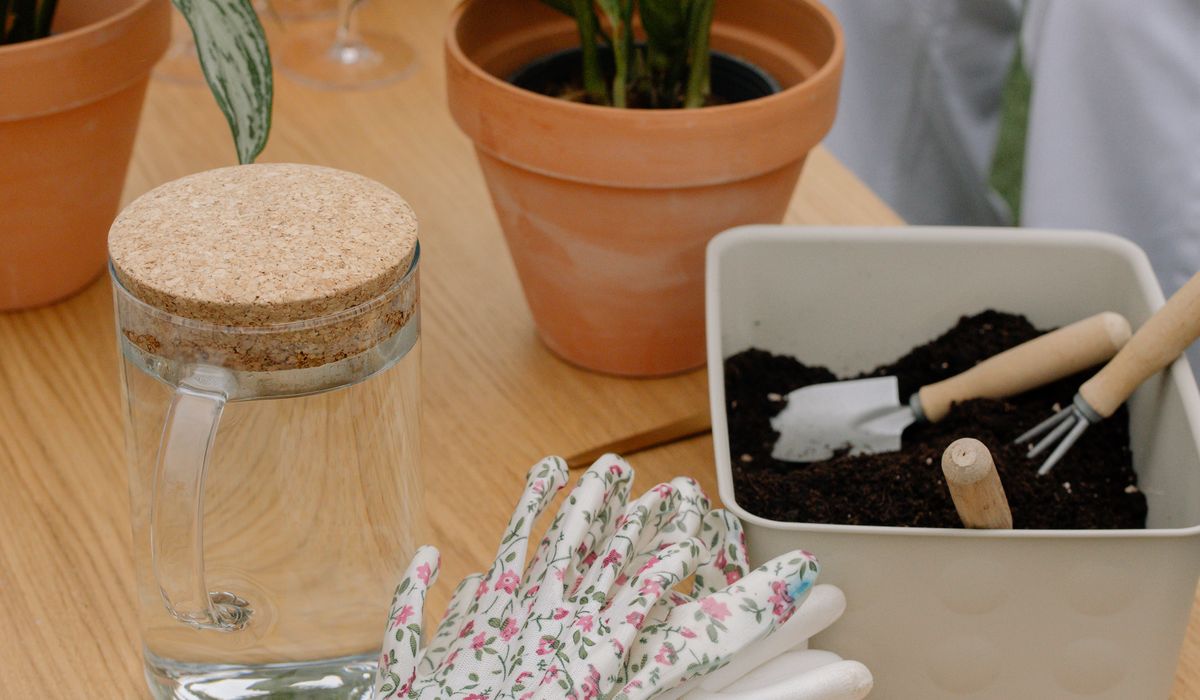
This is the moment to act. Spring is the one stretch of the year when most houseplants cope well with disturbance, because they have the energy to recover. Repot a week or two after you spot the first signs of new growth, not before — a plant that is still half asleep will sulk. The jobs below are worth doing now, roughly in the order I would tackle them.
Refresh the Compost and Pot On
Compost does not last forever. After a year or two it compacts, loses its structure and holds onto salts from feeding, while roots end up circling the inside of the pot. Spring is the ideal time to put that right.
Start by slipping the plant out of its pot and looking at the rootball. The signs that it needs potting on are:
- Roots spiralling round the edge or pushing out of the drainage holes
- Water running straight through the pot, or sitting on the surface and refusing to soak in
- Growth that has stalled despite good light, or a pot that dries out within a day
Choose a pot only 2–4cm wider in diameter. Jumping to a much larger pot leaves a mass of soggy compost around the roots, which is one of the most common causes of rot. A good peat-free multipurpose compost with a handful of perlite or horticultural grit mixed through suits most foliage plants, though palms and ficus types appreciate a loam-based John Innes No. 2. Always use a clean pot with working drainage holes, and cover the base thinly — a thick layer of crocks actually makes drainage worse.
If the roots look healthy and the pot is still roomy, simply top-dress instead: scrape off the top 2–3cm of tired compost and replace it with fresh. Hold off feeding for six weeks after repotting, as most composts already contain enough nutrients to see the plant through.
Prune Leggy Stems for Bushier Growth
Winter stretches plants towards the nearest window, which is why so many trailing stems end up bare in the middle with a sad tuft of leaves at the tip. A tidy-up now encourages branching rather than more spindly growth.
Cut back to a node — the slight bump where a leaf or aerial root joins the stem — leaving roughly 5–10cm of stem above it. Always cut just above the node and never leave long stubs of bare stem behind, as these die back and look untidy. Take no more than a third of the plant in one go, then step back and see how it looks before going further.
Trailing plants such as pothos, heartleaf philodendron and tradescantia respond well to a trim, pushing out new shoots from the cut points within a few weeks. Rubber plants and weeping figs can be shortened in the same way, though they bleed milky sap, so wipe the cuts with a damp cloth. Pinch out the growing tips of fuchsias and pelargoniums to keep them compact, and prune flowering plants such as Christmas cacti only after they have finished blooming. Keep any healthy prunings — sections with two or three nodes root easily in water or damp compost.
Pest Patrol Before the Warm Months
Pests build up quietly through winter. Dry, centrally heated air suits spider mites, while compost kept too wet invites fungus gnats. Deal with them now, while numbers are low and plants are strong enough to recover.
- Mealybugs — white, cottony blobs tucked into leaf joints and along the veins
- Spider mites — fine webbing and pale speckling, mostly on leaf undersides
- Scale — small brown or black domes stuck to stems and the backs of leaves
- Fungus gnats — tiny black flies rising from the compost when you water
- Thrips — silvery streaks and scattered black specks on new growth
Check every plant, starting with the undersides of leaves and the tight joints where pests hide. Quarantine any new arrivals for a fortnight before introducing them to the rest of your collection. For most infestations, a thorough lukewarm shower followed by an insecticidal soap spray, repeated every seven to ten days for three or four rounds, will break the cycle. Yellow sticky traps help with flying insects, and individual mealybugs can be dabbed away with a cotton bud dipped in rubbing alcohol.
Ease Back into Watering and Feeding
Resist the urge to flood everything on the first warm day. Check the top 2–3cm of compost with your finger, and water only when it feels dry at that depth. Use tepid water rather than cold, water in the morning where you can, and empty saucers half an hour later so roots are not left standing in water.
Begin feeding when you can see active growth, starting at half the recommended strength and building up to fortnightly. A seaweed or balanced liquid feed suits foliage plants, while a tomato feed high in potash encourages flowering types. Overfeeding now produces soft, sappy growth that pests adore, so err on the side of restraint.
Humidity is worth attention too. Grouping plants together, standing pots on a tray of damp pebbles, or running a mister over ferns and calatheas all help — but keep water off the fuzzy leaves of African violets and similar plants, which mark easily.
Light, Position and a Spring Checklist
Longer days mean far more light through the glass, so move plants gradually back towards brighter spots rather than shifting them into full sun overnight. Even sun-lovers can scorch if they go from a dull winter windowsill to strong April sunshine in one move. A sheer curtain for the first week or two eases the transition, and rotating each pot a quarter turn weekly keeps growth even on all sides.
- Wipe dusty leaves with a damp cloth so they can photosynthesise properly
- Move plants away from radiators as the heating goes off for the season
- Check saucers and cachepots for standing water after spring showers of watering
- Give support to tall stems before they topple — a cane or moss pole now saves trouble later
- Note which plants flowered poorly, so you can adjust light or feeding for next year
Work through these tasks over a few weekends rather than all at once, and your plants will head into summer with fresh compost, tidy growth and no hidden pests lurking in the leaf joints.






John Doe
14 January, 2022Having no content in post should have adverse..
Chauffina Carr
10 April, 2022We use these tests all time! Killer stuff!
Jim Séchen
16 July, 2022Thanks for all the comments, everyone!