

Start With the Soil, Not the Watering Can
Yellow leaves are the houseplant equivalent of a raised eyebrow — a signal that something in the plant's environment has shifted, not a diagnosis in itself. The temptation is to reach for plant food or to water more generously, but that often makes things worse. Before you change anything, get your hands dirty and find out what is actually happening below the surface.
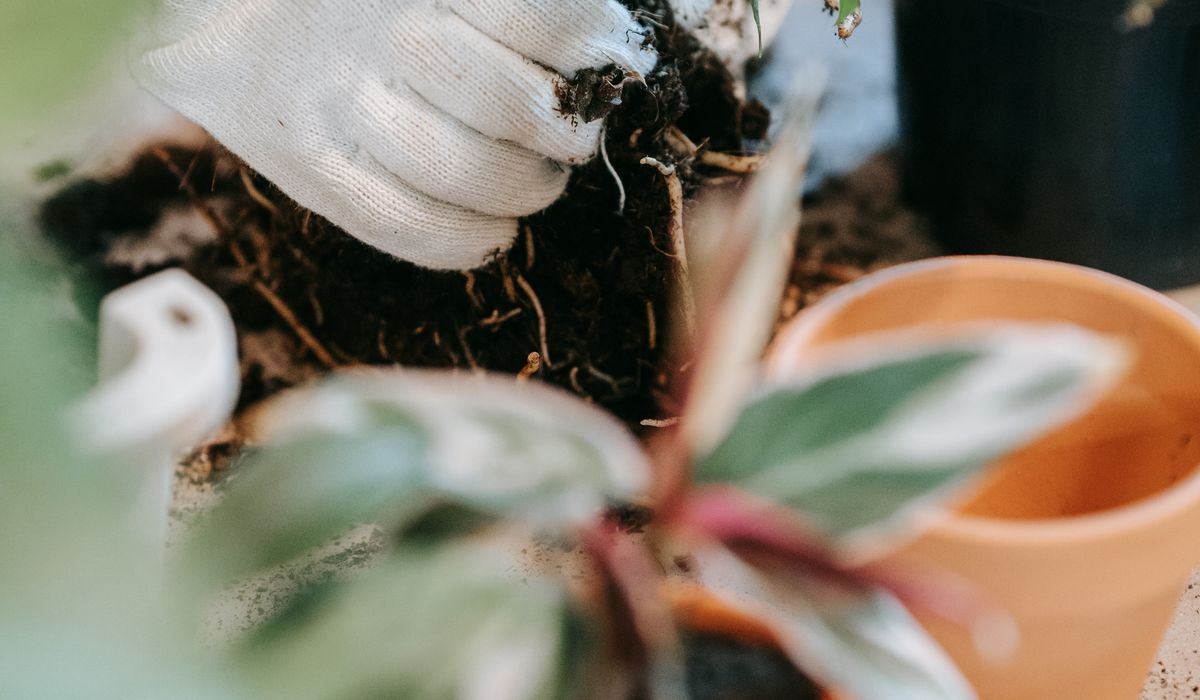
Push a finger into the compost up to your second knuckle. If it feels cool and claggy, you have your answer. If it is bone dry, that is a different problem altogether. Then slide the root ball out of its pot and look at the roots: firm and pale means healthy, while brown, mushy or foul-smelling roots point to rot. A quick check like this takes two minutes and will save you weeks of guesswork.
Overwatering: The Most Common Culprit
More houseplants are killed by kindness than by neglect. Roots need oxygen as much as they need moisture, and constantly saturated compost suffocates them. The plant responds by shedding its oldest leaves first, so you will typically see yellowing starting low down on the plant, often with soft, limp stems and compost that stays damp for a fortnight.
The fix is rarely "water less" in isolation — it is about drainage and timing:
- Check that your pot has drainage holes. A decorative outer pot is fine, but empty the water that collects in it within an hour.
- Water thoroughly until it runs out of the base, then stop. Little-and-often watering leaves the lower roots dry and the upper roots soaked.
- Let the top two to three centimetres of compost dry out before watering again for most foliage plants. Succulents and cacti want it drier still.
- Reduce watering dramatically from October to March, when light levels drop and growth slows.
- If the compost smells sour, repot into fresh, free-draining mix and trim away any rotten roots with clean scissors.
When the Problem Is Too Little Water
Underwatering looks different if you know what to look for. Leaves tend to go yellow and crisp at the edges, sometimes curling inward, and the whole plant may droop even after a drink. Compost pulls away from the sides of the pot, and the root ball feels light as a feather when you lift it.
A parched plant can be surprisingly hard to rehydrate, because bone-dry compost becomes water-repellent. Stand the pot in a bowl of water for twenty minutes so it can drink from the base, then let it drain properly. For plants that sulk in dry air — ferns, calatheas, peace lilies — grouping them together or sitting them on a tray of pebbles and water raises humidity without soaking the roots.
Light: Too Much, Too Little, or Simply Wrong
Light and water are a partnership. A plant in a dim corner uses far less water than one on a bright windowsill, so the same routine that worked in summer can drown a plant in December. Yellowing from insufficient light usually appears evenly across the plant, with elongated, spindly stems stretching towards the window and new leaves coming through smaller and paler than the old ones.
Too much direct sun, on the other hand, scorches. You will see bleached, washed-out patches or yellow-brown blotches on the leaves facing the glass, typically between late spring and early autumn. Move the plant back 30 to 60 centimetres from the window, or filter the light with a sheer curtain. Rotating your plants a quarter turn each week keeps growth even and stops one side from hogging all the brightness.
Nutrients, Roots and Other Causes
If watering and light are both sorted and leaves are still yellowing, work through the rest of the list:
- Nutrient deficiency. Pale yellow between the veins of newer leaves often signals a lack of iron or magnesium, while overall yellowing of older leaves suggests nitrogen. Feed with a balanced liquid fertiliser at half strength fortnightly through spring and summer — not more often, as excess salts burn roots.
- Root-bound plants. If roots are circling the inside of the pot, the plant cannot take up water or nutrients properly. Repot into a container just two to five centimetres wider, using fresh compost.
- Pests. Spider mite, thrips and scale all cause mottled, yellowing foliage. Check the undersides of leaves and the joints where stems meet for fine webbing, specks or sticky residue.
- Cold draughts and temperature swings. A spot beside a radiator or an open door can yellow leaves almost overnight. Most tropical houseplants are happiest between 18°C and 24°C.
- Natural ageing. An occasional yellow leaf at the very base of an otherwise thriving plant is normal. Snip it off and carry on.
Making Changes Slowly
Once you have identified the likely cause, change one thing at a time and give the plant a few weeks to respond. Plants recover slowly, and a leaf that has already turned yellow will not turn green again — remove it so the plant can redirect its energy. New growth is your real indicator of progress: if fresh leaves are coming through strong and well-coloured, you are on the right track. Keep a simple note of when you water and how the compost felt, and within a season you will have a routine tuned to your home rather than to a generic label.



John Doe
14 January, 2022Having no content in post should have adverse..
Chauffina Carr
10 April, 2022We use these tests all time! Killer stuff!
Jim Séchen
16 July, 2022Thanks for all the comments, everyone!